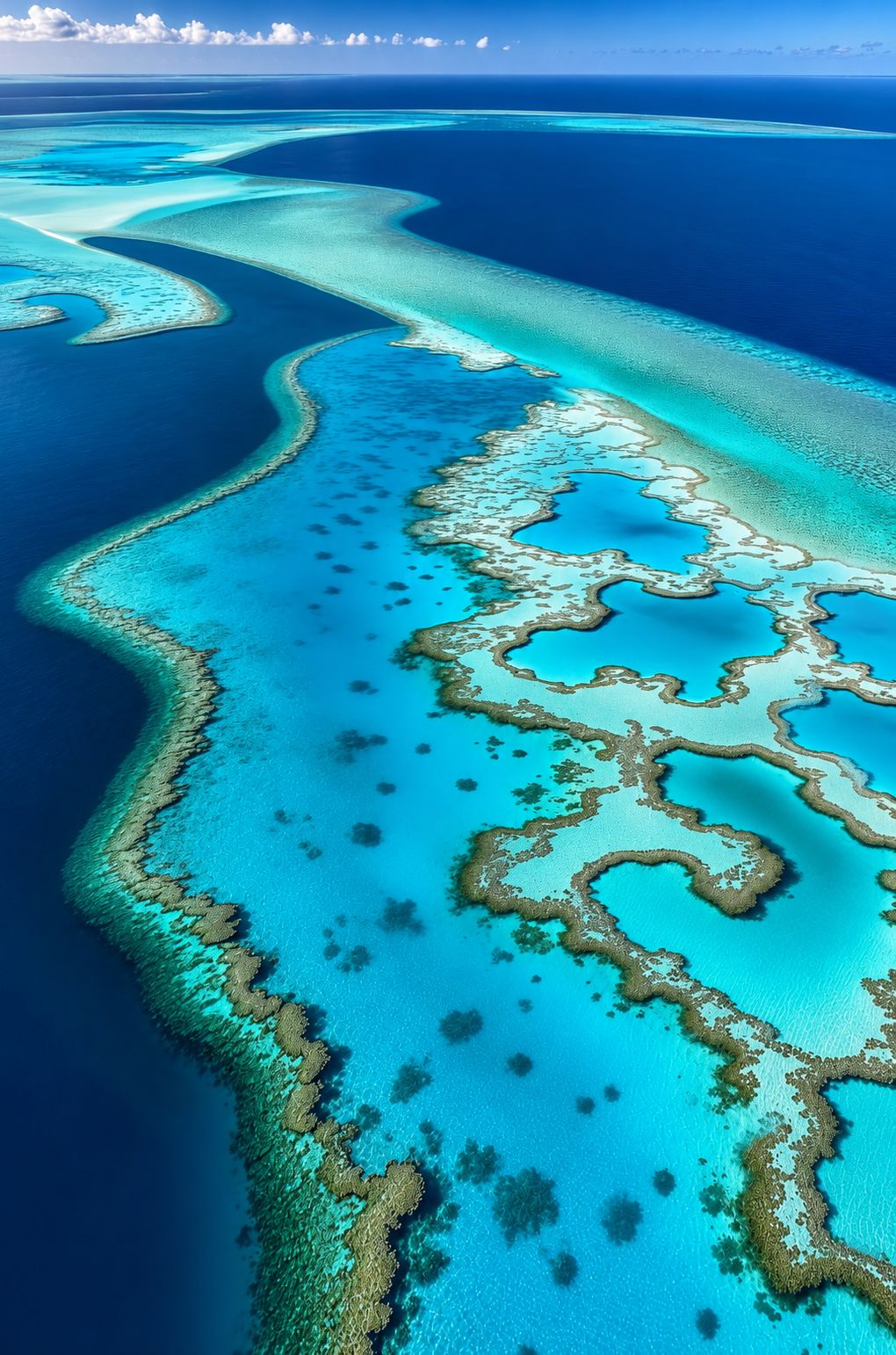
Between the Pacific and the Indian Ocean lies a stretch of sea with more coral species than anywhere else on Earth. It's called the Coral Triangle, and Indonesia holds the largest part of it.
A simple definition
The Coral Triangle is a marine region in the western Pacific, roughly triangle-shaped on a map. Scientists drew its borders around the waters with the highest coral diversity on the planet. It covers around six million square kilometres of ocean.
It's often called the "Amazon of the seas". About three-quarters of all known reef-building coral species live here, along with more than a third of the world's coral reef fish species.
Which countries are in the Coral Triangle?
Six countries share it:
- Indonesia
- Malaysia (Sabah)
- The Philippines
- Papua New Guinea
- Timor-Leste
- Solomon Islands
In 2009 these six governments launched the Coral Triangle Initiative on Coral Reefs, Fisheries and Food Security (CTI-CFF) to manage the region together.
Why is it so rich?
A few things come together here:
- Warm, stable water. The region sits on the equator, so reefs have had a long, steady climate to grow in.
- Thousands of islands. Every coast, channel and bay creates a slightly different habitat.
- Strong currents. Water flows from the Pacific into the Indian Ocean through Indonesia's straits, carrying nutrients and larvae from reef to reef.
Where to see the Coral Triangle in Indonesia
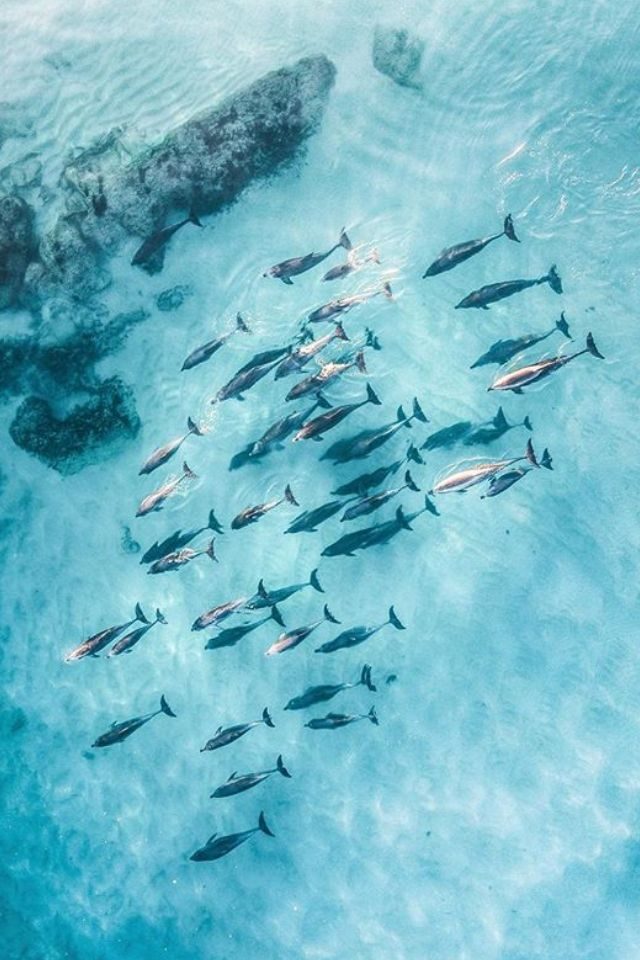
Almost all of eastern Indonesia lies inside it. These are the best-known places for divers and snorkellers:
Raja Ampat, West Papua
The region's most famous reefs, with hundreds of islands, karst lagoons and manta rays. It's remote and takes planning, usually by liveaboard or a homestay on one of the islands.
Komodo National Park
Strong currents, mantas and big schools of fish, plus the Komodo dragons on land. Labuan Bajo on Flores is the gateway.
Wakatobi, Southeast Sulawesi
A national park named after its four main islands: Wangi-Wangi, Kaledupa, Tomia and Binongko. It's a UNESCO biosphere reserve and one of the quietest places to see healthy reefs.
Bunaken and Lembeh, North Sulawesi
Bunaken is known for steep reef walls. The Lembeh Strait, nearby, is one of the world's best places for muck diving and rare small creatures.
Nusa Penida, near Bali
The easiest place to start. It sits on the western edge of the region, a short boat ride from Bali, and is known for manta rays and seasonal mola mola.
How to visit responsibly
- Use reef-safe sunscreen or cover up with a rash guard.
- Never stand on or touch coral, even when it looks like rock.
- Pay marine park fees. They fund rangers and local communities.
- Choose operators that keep group sizes small and brief you on reef etiquette.
Frequently asked questions
Is Bali in the Coral Triangle?
Bali sits on the western edge of the region. Nusa Penida and the reefs of north and east Bali are usually counted inside it, which makes Bali the easiest entry point.
Do I need to dive to see it?
No. Many reefs in Raja Ampat, Komodo, Wakatobi and the Gili Islands are shallow enough for good snorkelling.
What's the best time to visit?
It depends on the region. Seasons change from island to island, so check each destination separately. Our upcoming dive map will cover the best months region by region.
Sources
- Coral Triangle Initiative on Coral Reefs, Fisheries and Food Security (CTI-CFF)
- WWF, Coral Triangle programme
- UNESCO Man and the Biosphere Programme, Wakatobi Biosphere Reserve